


Eurotypo
Marcus Traianus
DESIGNED BY
Olcar Alcaide
YEAR OF ISSUE
2020


The Legacy of Imperial Capitals
The famous “Capital Trajana” lettering (the inscription at the base of the column bearing its name, erected in 114 A.D.) is usually regarded as the classic example that defines Imperial Capital forms. However, long before this, there were already countless examples of Greco-Roman epigraphy of exceptional execution, as evidenced by the monumental inscriptions from 2 B.C. carved in the Portico di Gaio e Lucio Cesari, in front of the façade of the Basilica Emilia in the Roman Forum, erected by Augustus and dedicated to his two grandsons for propaganda and dynastic purposes.
A Symbol of Majesty & Power
More than two thousand years have passed, yet the forms of these letters remain part of our daily lives, thanks to their readability and beauty. Their enduring presence is likely also due to their added semantic value, which has made them an icon full of symbolism—expressing majesty, monumentality, order, and universal power.
Studied by the Masters
Numerous authors, calligraphers, and designers have studied this legacy, including Giovanni Francesco Cresci, Edward Catich, L. C. Evetts, Armando Petrucci, Carol Twombly, John Stevens, and Claude Mediavilla, to name only a few.
A Modern Interpretation with Carolingian Roots
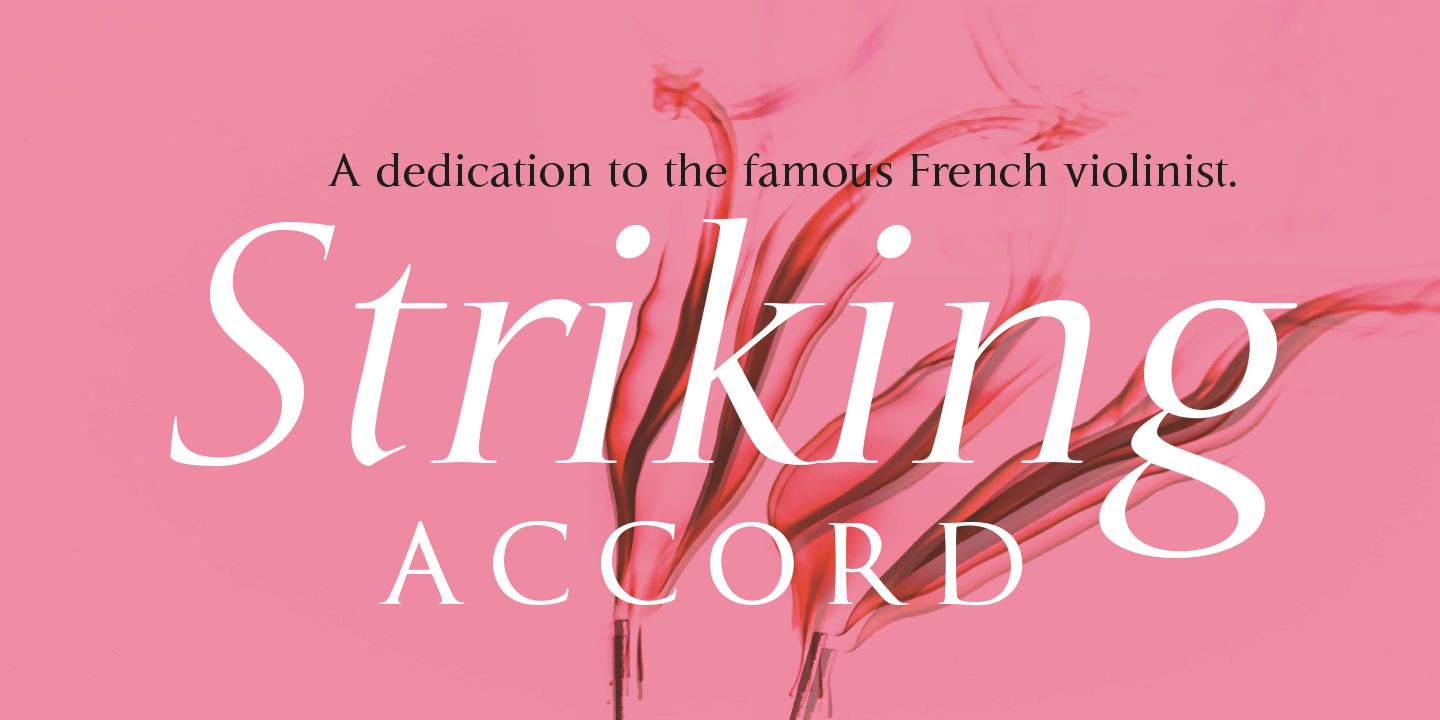
The Marcus Traianus font is a refined interpretation of the two aforementioned models and includes small caps, lowercase (Carolingian forms), and a set of Indo-Arabic numerals in addition to Roman figures and diacritics for Central European languages. Marcus Traianus is available in three weights—Regular, Bold, and ExtraBold—and one slanted style: Regular Italic.
Font Sampler
-
Marcus Traianus Regular

-
Marcus Traianus Italic

-
Marcus Traianus Bold

-
Marcus Traianus ExtraBold


Marcus Traianus Family (4 styles)


Glyph Map
Name: -
Unicode: -
Index: -
Technical Specifications
Simple Licensing
One-time payment. Perpetual use. No subscription fees.
Standard
Freelancers & Individual Creators- 1 User (Workstation)
- Basic Web (100k views / mo)
- Logos, Print & Social Media
Studio
Small Agencies & Teams- Up to 10 Users
- 1 Million Web views / mo
- Paid Digital Ads (YouTube/Social Media)
- 1 App or eBook Included
Corporate
Large Organizations- Unlimited Users & Web
- Unlimited App Embedding
- TV, Cinema & Netflix Rights
- Internal Server Installation